
0%
Filled with laugh-out-loud hilarious text and cartoons, the Diary of a Wimpy Kid series follows Greg Heffley as he records the daily trials and triumphs of friendship, family life and middle school where undersized weaklings have to share the hallways with kids who are taller, meaner and already shaving! On top of all that, Greg must be careful to avoid the dreaded CHEESE TOUCH!
The first book in the series was published in 2007 and became instantly popular for its relatable humor. Today, more than 300 million copies have been sold around the world!
From this perspective, a cage-free egg is still an act of violence. A "humane" slaughterhouse is an oxymoron. The rights position demands an end to the property status of animals, including pet ownership (replacing it with "guardianship").
This public link is valid for 7 days and shares a thread, including any personal information you added. This link or copies made by others cannot be deleted. If you share with third parties, their policies apply. Can’t copy the link right now. Try again later.
The vast majority of human-animal interactions occur within industrial farming, where billions of land animals are raised and slaughtered annually for food. Factory farming prioritizes efficiency and yield, often at the extreme expense of animal welfare.
The utilization of animals in zoos, marine parks, circuses, rodeos, and the exotic pet trade is increasingly scrutinized. While accredited zoos argue that they serve vital conservation and education roles, critics point to the psychological distress of confinement (zoochosis) in large, intelligent species like cetaceans (orcas and dolphins) and elephants. The decline of traditional animal circuses globally reflects a shifting public sentiment regarding the dignity of wild animals. 5. Legislative Landscapes and Legal Personhood
This philosophy rejects the idea that animals are human property. It argues that animals possess inherent value and basic rights, most notably the right to bodily autonomy and life. From this perspective, any institutional use of animals—whether for food, clothing, or experimentation—is fundamentally unjust, regardless of how "humane" the conditions may be. The Science of Animal Sentience
Every day, animals rely on us—not just for food or shelter, but for compassion, dignity, and justice. Animal welfare and animal rights may sound similar, but together they form a powerful spectrum of care.
: India was the first Asian country to ban all animal testing for cosmetics .
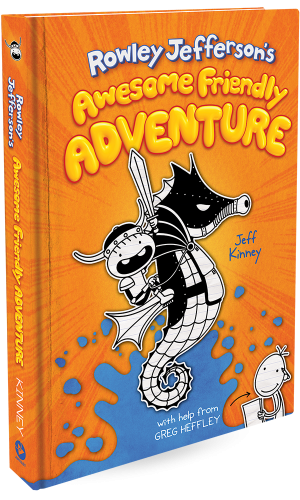
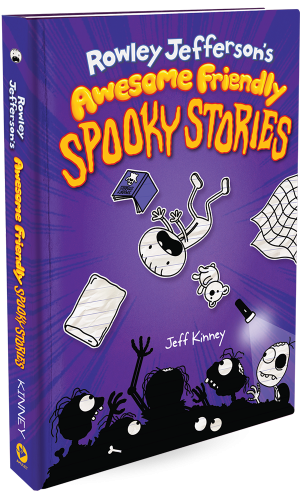
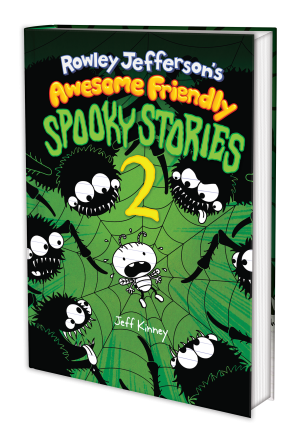
Get ready to see the Wimpy Kid world in a whole new way! Written and illustrated from the hilarious imagination of Greg Heffley’s best friend, Rowley Jefferson, the Awesome Friendly Kid series is filled with new adventures and vibrant stories that will have readers in stitches!
Click or scroll
through the books
video title yasmin hot treat bestialitysex exclusive
From this perspective, a cage-free egg is still an act of violence. A "humane" slaughterhouse is an oxymoron. The rights position demands an end to the property status of animals, including pet ownership (replacing it with "guardianship").
This public link is valid for 7 days and shares a thread, including any personal information you added. This link or copies made by others cannot be deleted. If you share with third parties, their policies apply. Can’t copy the link right now. Try again later.
The vast majority of human-animal interactions occur within industrial farming, where billions of land animals are raised and slaughtered annually for food. Factory farming prioritizes efficiency and yield, often at the extreme expense of animal welfare.
The utilization of animals in zoos, marine parks, circuses, rodeos, and the exotic pet trade is increasingly scrutinized. While accredited zoos argue that they serve vital conservation and education roles, critics point to the psychological distress of confinement (zoochosis) in large, intelligent species like cetaceans (orcas and dolphins) and elephants. The decline of traditional animal circuses globally reflects a shifting public sentiment regarding the dignity of wild animals. 5. Legislative Landscapes and Legal Personhood
This philosophy rejects the idea that animals are human property. It argues that animals possess inherent value and basic rights, most notably the right to bodily autonomy and life. From this perspective, any institutional use of animals—whether for food, clothing, or experimentation—is fundamentally unjust, regardless of how "humane" the conditions may be. The Science of Animal Sentience
Every day, animals rely on us—not just for food or shelter, but for compassion, dignity, and justice. Animal welfare and animal rights may sound similar, but together they form a powerful spectrum of care.
: India was the first Asian country to ban all animal testing for cosmetics .