Doa Jawsyan Kabir Dan Terjemahan ((new))
Doa Jawsyan Kabir Dan Terjemahan ((new))
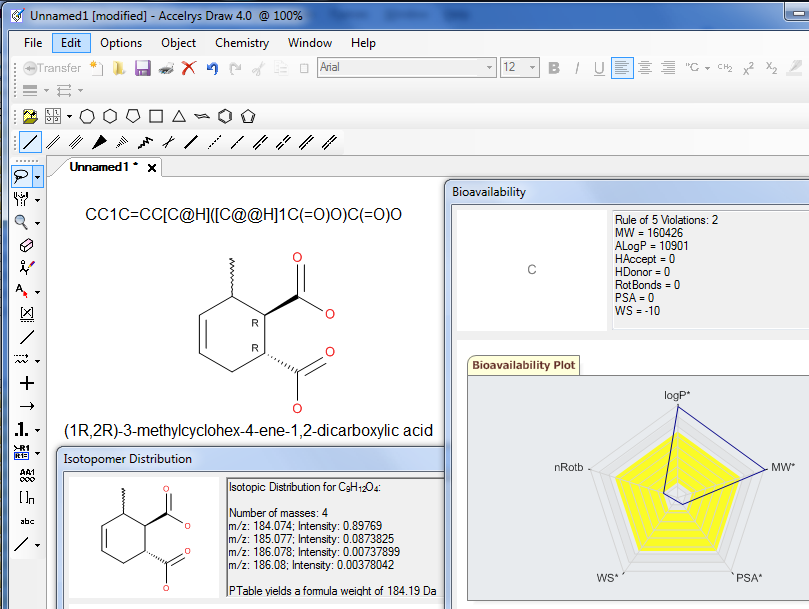 |
With the
same look-and-feel as ISIS/Draw, Accelrys Draw delivers speed and
efficiency to your chemical drawing experience.
Accelrys Draw can easily swap out existing ISIS/Draw or ChemDraw applications. |
|
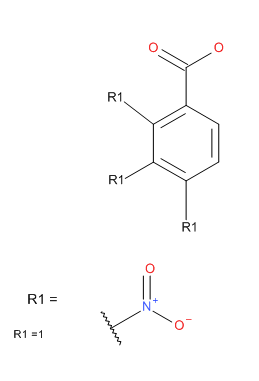
Doa Jawsyan Kabir Dan Terjemahan ((new))Click here for more details about Rgroups, an example, and a detailed procedure how to draw a Markush query. To draw a Markush query:
|
|
|
| Generic Structure
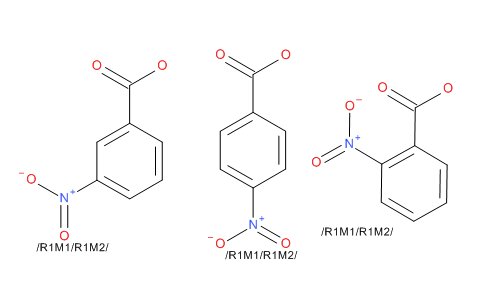
Enumerator The enumerator works against structures defined using the Rgroup tool in Accelrys Draw. In this mode you specify a scaffold with a number of Rgroup labels, then to add fragments to the Rgroup identifiers. The Add-in will calculate the complete set of structures that the Rgroups define. You can also define a generic region using the Sgroup tool. Draw the basic structure and using the Sgroup tool, drag a pair of brackets around a region that is repeated in the substance. From the dropdown select ‘generic’ for the bracket type, then select apply and exit from the dialog. Right click on one of the brackets and select the Attach Data option. In the dialog enter REPEATRANGE into the Field description box, and then enter the range in the Data box; leave the Search Operator set to none; the Tag field is optional. A contiguous range is required in the Data box, for example 3-6. A structure can contain both Rgroup definitions and Sgroup definitions, but they cannot overlap or be nested. You have the option to enumerate on to Accelrys Draw’s canvas, into an SDfile, or into an Isentris for Excel compatible spreadsheet. |
 |
|
Doa Jawsyan Kabir Dan Terjemahan ((new))Perlu dibedakan bahwa selain Jawsyan Kabir (besar/panjang), ada juga Jawsyan Saghir (kecil). Jawsyan Saghir lebih pendek, banyak digunakan untuk wirid harian sesudah sholat fardhu. Adapun Jawsyan Kabir biasanya dibaca dalam momen-momen tertentu seperti malam Nisfu Syaban, 15 Ramadhan, atau saat terjadi musibah besar. "Maha Suci Engkau, tiada Tuhan selain Engkau. Tolonglah kami, tolonglah kami, selamatkanlah kami dari api neraka, wahai Tuhanku." ✨ Keutamaan Membaca doa jawsyan kabir dan terjemahan Dalam riwayat lain, Rasulullah SAW bersabda: "Maha Suci Engkau, tiada Tuhan selain Engkau Doa ini sangat panjang (mengandung 100 bagian/pasal). Berikut adalah teks yang inti dan sering dijadikan ruqyah mandiri. Transliterasi: Subhanaka ya la ilaha illa Anta, al-ghauts Transliterasi: Subhanaka ya la ilaha illa Anta, al-ghauts al-ghauts, khallisna minan-nari ya Rabb. Doa Jawsyan Kabir dan terjemahannya adalah khazanah spiritual Islam yang sangat kaya. Dengan melafalkan seribu nama Allah SWT, seorang hamba esensinya sedang mengetuk pintu-pintu langit menggunakan kunci-kunci asma-Nya yang paling agung. Membaca doa ini dengan memahami terjemahannya akan meningkatkan kekhusyukan dan memperkuat ikatan tauhid kita kepada Sang Pencipta. Mengingat 1000 nama Allah secara berulang akan menghadirkan kedamaian batin yang luar biasa. |
http://accelrys.com/products/informatics/cheminformatics/draw/add-ins.html | |
Chemical Drawing Programs – The Comparison of Accelrys (Accelrys) Draw, ChemDraw, DrawIt, ACD/ChemSketch and Chemistry 4-D DrawUniversity of Debrecen, POB 70, H-4010 Debrecen, Hungary, e-mail: Last major update : 1.11.2011 If you have any comment, do not hesitate to contact the author at the above adress. |
http://dragon.klte.hu/~gundat/rajzprogramok/dprog.html |